




Hazards of Overvoltage and Excess Temperature in Power Capacitor Operation
 Jun 08, 2026|
Power capacitors are essential components in electrical systems, providing reactive power compensation, voltage stabilization, and improved energy efficiency. However, their performance is highly sensitive to operating conditions. Overvoltage and excessive temperature are two critical factors that can seriously compromise capacitor reliability, safety, and service life. Understanding the hazards they pose is crucial for ensuring the stable operation of power systems.
1. Internal Overheating and Thermal Runaway
The heat generated inside a power capacitor increases with the square of the applied voltage, making overvoltage a major risk factor. When a capacitor experiences short-term overvoltage:
- The circuit current spikes instantly.
- Dielectric losses increase rapidly, causing internal temperature to rise sharply.
- Heat dissipation cannot keep up, creating a thermal runaway cycle: higher temperature → accelerated dielectric aging → increased loss → further temperature rise.
This process can damage the internal structure irreversibly. For example:
- Dielectric materials may embrittle, reducing insulation performance.
- Electrolytes in electrolytic capacitors can evaporate or gasify.
- Metal electrodes may corrode, decreasing conductivity.
If uncontrolled, thermal runaway can lead to complete capacitor failure.
2. Uneven Voltage Distribution and Partial Breakdown
Capacitor banks are typically composed of multiple series- and parallel-connected units, each with a specific rated voltage. Under normal conditions, voltage is evenly distributed. During overvoltage:
- Voltage distribution becomes uneven, stressing certain units beyond their limits.
- Partial breakdowns or short circuits may occur in vulnerable units.
- The failure of one unit increases stress on others, potentially causing a cascading failure across the entire capacitor bank.
This not only disables the capacitor but also disrupts the stability of the connected power system.
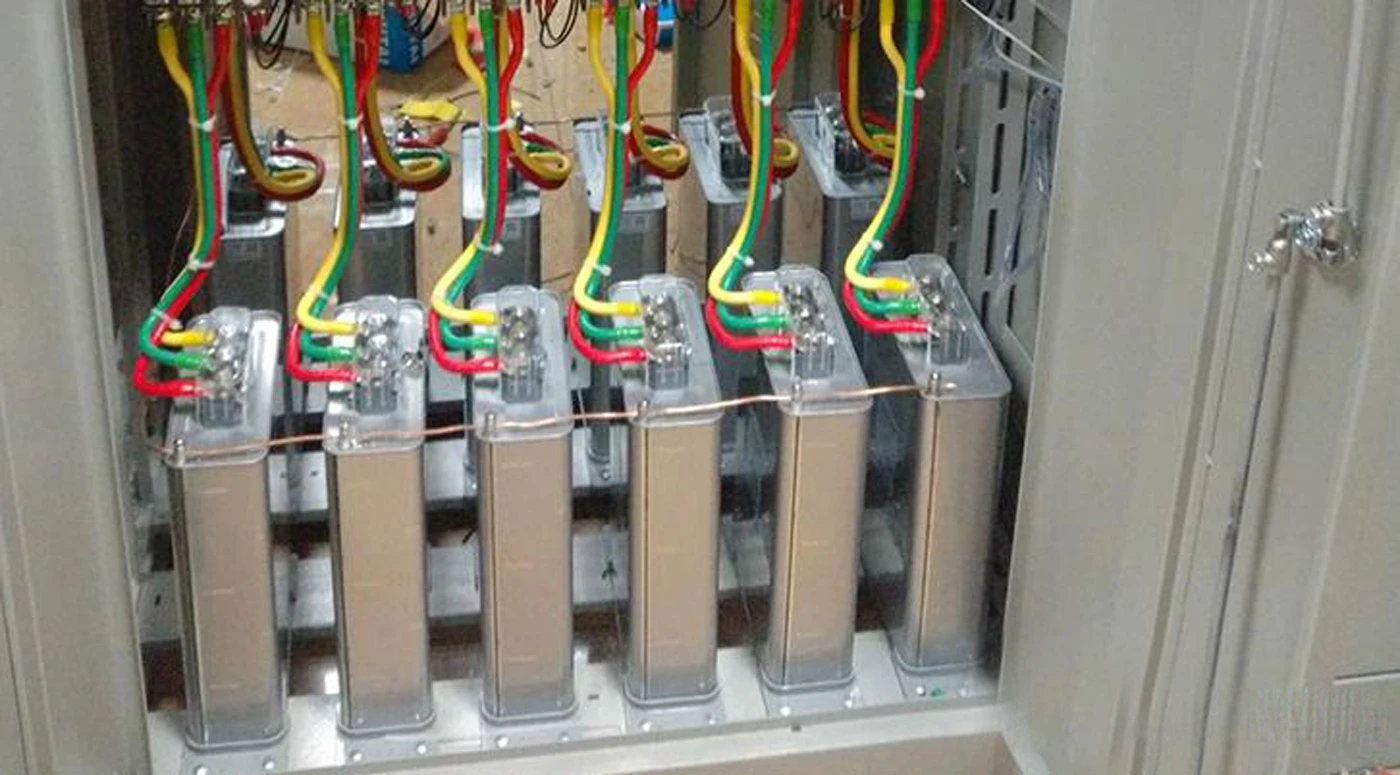
3. Structural Damage and Safety Hazards
Excessive temperature and dielectric gasification from overvoltage can alter the physical state of the capacitor, leading to:
- Bulging or deformation of the casing.
- Seal failure with oil or gas leakage.
- In extreme cases, rupture, explosion, or fire, especially if internal arcs ignite nearby materials.
Such events pose serious risks to switchgears, power distribution rooms, and personnel safety.
4. Accelerated Aging and Reduced Service Life
Even if a capacitor survives short-term overvoltage without immediate failure, it may suffer latent damage:
- Dielectrics degrade over time, reducing insulation strength.
- Leakage currents increase, decreasing reactive power compensation accuracy.
- Capacitance attenuates, and operational losses grow.
Repeated voltage fluctuations accelerate aging, significantly shortening service life and raising maintenance costs.
Conclusion
Power capacitors are highly sensitive to voltage and temperature limits. Short-term overvoltage is not a minor anomaly but a systemic risk that can trigger thermal runaway, uneven voltage stress, structural damage, and accelerated aging.
Key recommendations for safe operation:
- Strictly control capacitor operating voltage.
- Avoid overvoltage and sudden voltage fluctuations.
- Monitor temperature and ensure adequate cooling.
By following these measures, power systems can maintain stable capacitor performance, extend service life, and ensure safe reactive power compensation and voltage regulation.